


 español
 français
Investing in Real Estate in Morocco: Complete Guide to Buying a Property
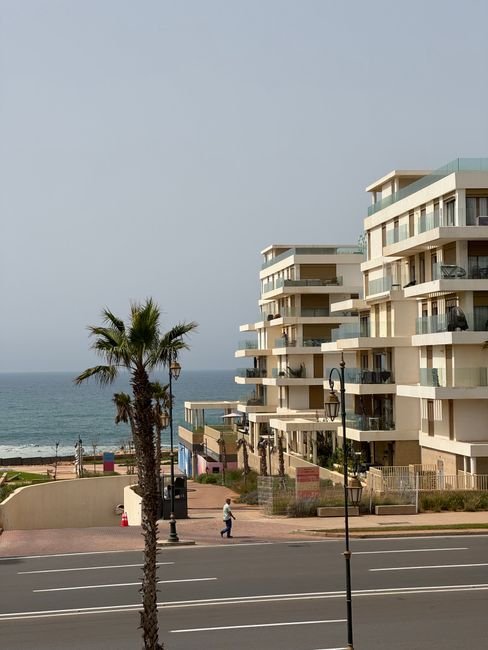
Discover why Morocco has become a popular destination for real estate investment and how to successfully purchase your property in the Cherifian kingdom.
The Moroccan real estate market is experiencing remarkable growth, attracting a growing number of international investors and expatriates each year seeking a second home or a profitable rental investment. Whether you are drawn to the traditional riads of Marrakech, the seaside villas of Agadir, or the modern apartments of Casablanca, Morocco offers a diversity of properties suited to all projects and budgets.
Why invest in Moroccan real estate?
Morocco offers numerous advantages for foreign buyers. The country's political stability, proximity to Europe, pleasant year-round climate, and attractive cost of living make it a destination of choice. In addition, the Moroccan government actively encourages foreign investment in real estate, with relatively simplified purchasing procedures for non-residents.
The must-see cities for buying a property
Marrakech remains the leading city for purchasing riads and luxury villas, particularly popular for tourism and rental investments. Casablanca, the economic capital, attracts investors looking for modern apartments in a dynamic urban environment. Tangier, with its port development and expanding infrastructure, is also becoming a strategic destination. Finally, Agadir and Essaouira appeal with their seaside properties offering an exceptional living environment.
Key steps to buying a property in Morocco
Acquiring a property in Morocco requires following several essential steps. First, it is recommended to work with a licensed local real estate agent who is thoroughly familiar with the market and current regulations. Next, verifying the property title with the Land Registry (Conservation Foncière) is essential to ensure the property's legality.
Once the property is selected, a preliminary sales agreement is signed, followed by payment of a deposit generally ranging from 10% to 30% of the total price. The final transaction is concluded before a Moroccan notary, who authenticates the deed of sale and carries out the official registration of the property.
Legal and tax aspects to know
Foreigners can freely acquire urban properties in Morocco, with the exception of agricultural land, which requires special authorization. Additional fees to anticipate include registration fees (approximately 4%), notary fees, and the land registry tax. It is also important to be aware of the tax treaties between Morocco and your home country to avoid double taxation.
Emerging neighborhoods to watch
Beyond traditionally popular areas, new neighborhoods are emerging as interesting investment opportunities. The outlying areas of Rabat, development projects around Mohammedia, as well as the seaside resorts of Saidia offer still-accessible prices with strong potential for medium-term appreciation.
Practical tips for a successful purchase
Before finalizing your purchase, take the time to visit the property several times at different times of day, check the condition of the surrounding infrastructure, and inquire about nearby urban development projects. It is also advisable to engage a lawyer specialized in Moroccan real estate law to secure your transaction and avoid potential disputes.
Investing in Moroccan real estate represents a unique opportunity to benefit from a booming market, an exceptional living environment, and attractive profit potential. Whether for personal use or rental investment, Morocco continues to captivate buyers from around the world thanks to the richness of its architectural heritage and its growing economic dynamism.

© 2026 - All rights reserved
ICE : 003600720000071
RC :
Taxe Professionnelle : 45313905
Identifiant Fiscal : 66104913
Adresse : ALLAL AL FASSI